

First Sustainability Report: A 9-Step Roadmap
Sustainability & ESG, Guides / June 14, 2025
By Paul Gassett, Chief Executive Officer

Creating your first sustainability report is a significant milestone. It signals your organization’s commitment to transparency and positions you among industry leaders. With sustainability reporting now widely adopted across large- and mid-cap U.S. public companies, and increasingly expected by investors, employees, and customers, the question isn’t whether to report, but how to do it well.
DID YOU KNOW
In the 2024 publication year, 99% of S&P 500 companies published a sustainability report, 94% of Russell 1000 companies reported, and 90% of the smaller half of the Russell 1000 reported. This reinforces that annual sustainability reporting is now a mainstream expectation and a practical operating baseline for large and mid-cap U.S. public companies.
G&A Institute, 2025 Sustainability Reporting in Focus
Whether you’re responding to investor demands, preparing for evolving disclosure requirements, or proactively building stakeholder trust, your first report sets the foundation for years to come. The good news? You don’t need to do everything perfectly right away. The key is starting with a solid structure and building from there.
At OBATA, we’ve designed and produced more than 100 sustainability reports for organizations at every stage of maturity. We’ve worked with companies publishing their very first report and others refining sophisticated multi-year programs. This roadmap reflects what we’ve learned about what works, what doesn’t, and how to create a report your leadership will endorse, employees will be proud to share, and stakeholders will actually read.
View Our Sustainability Report Design Portfolio →
Quick Start: Your First 30 Days
Short on time? Here’s what to prioritize immediately:
- Secure executive sponsorship and establish decision-making authority
- Identify 3-5 material topics by reviewing peer reports in your industry
- Assess data availability for workforce, energy, and waste metrics
- Choose one framework to reference (GRI or SASB as starting points)
- Engage external partners for design, writing, or strategic guidance if internal bandwidth is limited
The detailed nine-step roadmap below provides comprehensive guidance for each phase of your reporting journey.
The Sustainability Report Roadmap to Success
The following nine steps guide organizations through their first sustainability report, from team formation through publication and promotion. Each step includes practical guidance alongside insights into where many organizations discover they need additional support.
1. Build Your Team — Internal Champions and External Partners
Your sustainability report will touch nearly every department, so assemble a cross-functional team early. The real challenge isn’t just gathering contributors. It’s establishing clear governance, decision-making authority, and realistic timelines.
Core Team Typically Includes:
- Executive sponsor (CEO, CFO, or Chief Sustainability Officer)
- Project lead (often Corporate Communications, IR, or Sustainability)
- Subject matter experts (HR, Operations, Supply Chain, Legal, Finance)
- Communications/Marketing (messaging, brand alignment)
- External partners (design, writing, consulting as needed)
Key Success Factors:
Hold a kickoff meeting to align on scope, timeline, and each person’s role. Many contributors won’t consider this part of their core responsibilities, so executive sponsorship and clear expectations matter. We’ve seen projects stall for months when approval authority isn’t clearly defined upfront.
Establish decision-making hierarchy early. Approvals can bottleneck the entire process if ownership isn’t clear. In our experience, the most successful projects have one clear decision-maker who can move things forward when stakeholders disagree.
Set realistic timelines. First reports typically take 6–9 months from kickoff to publication. Companies that try to compress this timeline often sacrifice quality or burn out their teams.
Consider sustainability training to build common understanding across your team. When everyone shares baseline knowledge of sustainability fundamentals, frameworks, and reporting standards, collaboration improves and execution accelerates.
Learn About OBATA’s Sustainability Training Programs →
STRATEGIC DECISION POINT
Many organizations launching their first report discover that internal teams lack dedicated sustainability expertise or bandwidth to manage a complex, cross-functional process. This is where organizations often engage external partners, not just for design and production, but for strategic guidance on materiality, stakeholder engagement, and reporting frameworks.
The question to ask: Do we have the internal expertise and capacity to drive strategy, or do we need a partner who can guide the process while we retain governance and approval?
2. Focus on What Matters — Material Issues and Stakeholder Priorities
Understanding what topics matter most to your business and stakeholders is critical to creating a focused, credible report. A formal materiality assessment is the gold standard, but it may not be feasible for your first attempt. Don’t let that stop you.
Starting Points for Materiality:
Review peer reports in your industry. Many companies publish materiality assessments that can guide your initial topic selection. We often help clients analyze 5-10 peer reports to identify common themes and industry-specific topics.
Analyze stakeholder questions from Investor Relations, Community Relations, and customer inquiries. These reveal what your audiences care about. If your IR team fields questions about Scope 3 emissions quarterly, that’s a clear signal.
Consider regulatory expectations and rating agency criteria from MSCI, Sustainalytics, and CDP. Even if you’re not being formally rated yet, understanding what these agencies look for helps you prepare.
Identify your sustainability “wins” in areas where you’re already making progress and have data to share. Starting with strengths builds momentum and confidence.
Common Material Topics by Sector:
- Manufacturing: Energy efficiency, emissions, waste reduction, supply chain labor practices
- Financial Services: Data security, financial inclusion, responsible lending, diversity
- Technology: Privacy, ethical AI, energy consumption, conflict minerals
- Healthcare: Patient safety, access to care, clinical trial diversity, pharmaceutical waste
Even without a formal assessment, you can create a defensible framework by mapping what matters to your business operations, what stakeholders are asking about, and where you have meaningful progress to share.
STRATEGIC DECISION POINT
Materiality assessments involve structured stakeholder engagement through surveys, interviews, and workshops, followed by analysis to identify and prioritize sustainability topics. Many first-time reporters start with informal prioritization and commit to formal assessment in Year 2.
If your organization faces significant stakeholder pressure, operates in a high-scrutiny industry, or needs to justify topic selection to investors, a formal materiality process may be worth the investment for your inaugural report.
Explore OBATA’s Materiality Assessment Services →
3. Understand the Frameworks — Build on What You Know
Reporting frameworks like GRI, SASB, and TCFD provide structure and credibility. While full framework alignment may feel daunting, you can start by understanding their basic structure and borrowing what fits. Think of frameworks as helpful guides, not rigid requirements.
Framework Overview:
- GRI: Comprehensive, stakeholder-focused, widely used globally
- SASB: Financially material topics by industry, investor-focused
- TCFD: Climate risk and opportunity disclosure
- CSRD/ESRS: European sustainability reporting requirements (applies to EU entities and large non-EU companies operating in Europe)
For your first report: You don’t need to claim full compliance. Many organizations start by referencing frameworks (“informed by GRI” or “aligned with SASB standards”) while working toward fuller integration in subsequent years. This is perfectly acceptable and increasingly common.
Find Your Starting Wins:
Start small and build on existing efforts. Gather information from:
- Internal communications like employee newsletters, social media, and community initiatives
- Existing disclosures including 10-K, Proxy, and EEO-1 data if you’re a public company
- Corporate social responsibility programs already underway
Organize these into themes that align with your material topics and framework structure. This approach lets you demonstrate good corporate citizenship aligned with your values, even if you’re not reporting comprehensively on every framework metric yet.
Read: The 7-Step ESG Reporting Process →
4. Gather Your Data — Measure Impact and Progress
Data is the foundation of credible sustainability reporting. Yes, collecting clean, year-over-year comparable data takes effort. But there’s no better time to start than now.
Data You Likely Already Have:
- Financial data from 10-K and annual reports (for public companies)
- Workforce data from EEO-1 reports, safety records, turnover metrics, and benefits enrollment
- Environmental data that utilities may already track for energy, water, and waste
- Compliance data from regulatory filings, audits, and certifications
Data You May Need to Start Tracking:
- Scope 1 & 2 emissions covering direct operations and purchased energy
- Diversity beyond EEO-1 including pay equity, leadership representation, and retention by demographic
- Supply chain practices like supplier diversity, audits, and responsible sourcing
- Community investment tracking philanthropy, volunteer hours, and local economic impact
Data Management Approaches:
Many organizations start with spreadsheets and evolve to dedicated sustainability data platforms. The key is establishing consistent collection processes so data improves year over year. We’ve worked with clients using everything from Excel to sophisticated platforms like Workiva and Persefoni. Choose what works for your organization’s size and complexity.
Be transparent about data limitations. If you’re reporting Scope 1 and 2 emissions but haven’t tackled Scope 3 yet, say so and explain your timeline for broader coverage. Stakeholders respect honesty about the journey far more than inflated claims.
STRATEGIC DECISION POINT
Data quality issues often reflect organizational challenges rather than technical ones. Think siloed systems, unclear ownership, and competing priorities. Organizations that struggle with data collection may benefit from partners who can help design collection systems, establish governance, and build internal capacity alongside report production.
Learn About Data Readiness & Framework Alignment Services →
5. Craft Your Messages — Tell Your Story with Clarity
Raw data doesn’t engage stakeholders. Narrative does. Your report needs a skilled writer or editor who can weave together disparate sources into a cohesive story that connects your purpose to your performance.
Elements of Effective Sustainability Storytelling:
1. Establish a Central Theme
Connect your sustainability efforts to your business strategy and brand promise. Your theme should answer: Why does sustainability matter to who we are and how we create value?
In our work with clients, we’ve found that the most compelling reports tie sustainability directly to competitive advantage, operational excellence, or brand differentiation. Generic statements about “doing the right thing” rarely resonate as powerfully as specific connections to business value.
2. Provide Context Around Data
Don’t just report numbers. Explain what they mean:
- How do they compare to prior years or industry benchmarks?
- What drove the change, positive or negative?
- What are you doing to improve?
Context transforms data from noise into signal.
3. Use Hierarchy and Callouts
Not everyone reads cover to cover. Use these elements strategically:
- Executive summary for high-level overview
- Infographics and data visualizations to surface key metrics quickly
- Callouts and sidebars to highlight achievements or explain methodology
- Consistent headers and navigation so readers can find relevant sections
We design reports knowing that investors might scan for specific data points while employees want inspiring stories. Both audiences should find what they need quickly.
4. Feature Real People and Programs
Highlight teams and individuals demonstrating leadership. Showcase pilot programs in facilities, innovative product solutions, and community partnerships. These stories bring your data to life and inspire others.
Some of our most successful reports balance hard data with human stories. A section on waste reduction becomes far more memorable when you feature the facility manager who championed the zero-waste initiative.
5. Maintain Your Brand Voice
Your sustainability report is a brand asset. It should sound like your organization, whether that’s technical and precise, warm and community-focused, or bold and innovative. Don’t adopt a generic “sustainability voice” that feels foreign to your brand.
STRATEGIC DECISION POINT
Writing sustainability reports requires balancing technical accuracy, regulatory precision, stakeholder expectations, and engaging narrative. Organizations with strong internal communications teams may handle this effectively. Others find that external partners bring fresh perspective, industry expertise, and the capacity to synthesize complex information into clear, compelling content.
Explore Report Development & Storytelling Services →
6. Set the Tone — Your Leadership Message Matters
The CEO or Board Chair letter often sets the tone for the entire report. This is where leadership articulates your sustainability vision, acknowledges progress and challenges, and signals commitment. Don’t underestimate this section’s importance.
What Makes a Strong Leadership Message:
Define Your Strategy
- How does sustainability align with business strategy?
- What role do the Board and executive team play in oversight?
- How does this contribute to long-term value creation?
Be Transparent About Your Journey
If this is your first report or you’re early in your sustainability evolution, say so. Authenticity builds more trust than overstating maturity.
Example approach: “This inaugural report marks the beginning of our formal sustainability journey. While we’ve long been committed to environmental stewardship and community engagement, we recognize the need for more systematic measurement, stakeholder engagement, and continuous improvement. This report establishes our baseline and our commitment to progress.”
We’ve seen this honesty resonate powerfully with stakeholders who value transparency over perfection.
Connect to Stakeholders
Address why sustainability matters to investors, employees, customers, and communities. Not as separate audiences, but as interconnected parts of your value creation ecosystem.
Look Forward
Share goals, commitments, and next steps. Stakeholders want to see trajectory, not just current state. Even if you can’t set hard targets yet, articulate the direction and timeline.are just now beginning to report on sustainability efforts.
7. Design for Impact — Make Your Story Accessible
A well-designed report enhances credibility, improves comprehension, and demonstrates the seriousness of your commitment. Design isn’t cosmetic. It’s a strategic communication tool that drives stakeholder engagement.
Design Drives Stakeholder Engagement:
Institutional investors review dozens of reports. Strong design ensures yours gets read, not skimmed. We’ve heard directly from investors that professional, accessible design signals operational excellence and attention to detail.
Rating agencies need to find specific data quickly. Clear navigation and data visualization help them evaluate you accurately and fairly.
Employees are more likely to share something they’re proud of visually. A beautifully designed report becomes a recruitment and retention tool.
Media and stakeholders are more likely to engage with professional, accessible content. Good design amplifies your message.
Core Design Principles:
Clear and logical navigation ensures readers can quickly find the information they need. Whether it’s an investor looking for climate data or an employee searching for diversity metrics, intuitive navigation respects your stakeholders’ time. We build comprehensive tables of contents, consistent section headers, and interactive PDF bookmarks that function like a roadmap through your report.
Visual hierarchy guides readers through complex information without overwhelming them. The most important information should be immediately visible, with supporting details accessible for those who want to dig deeper.
Data visualization makes trends and comparisons immediately clear. A well-designed chart communicates in seconds what might take paragraphs to explain.
White space improves readability and reduces cognitive load. Dense pages intimidate readers; generous white space invites engagement.
Brand alignment reinforces your identity and builds consistency across communications. Your sustainability report should feel like part of your brand family, not an outlier.
Photography should be authentic to your operations, not generic stock images. We always encourage clients to invest in custom photography that shows real people, real facilities, and real programs. The authenticity shows.
OBATA’s Approach:
We design sustainability reports that balance sophistication with accessibility. Our goal is executive-level credibility that remains engaging for broader audiences. We integrate seamlessly with brand identity while meeting the functional needs of investors, raters, and regulators.
After producing more than 100 sustainability reports, we’ve learned that great design isn’t just about aesthetics. It’s about making complex information accessible, building trust through professionalism, and creating something stakeholders actually want to engage with.
Explore Our Design Approach and Portfolio →
Read: Best Practices for Sustainability Report Design →
8. Increase Awareness — Promote Your Report Strategically
Creating the report is half the work. Ensuring stakeholders engage with it is the other half. A strategic promotion plan amplifies your investment and ensures key audiences see your progress.
Owned Channel Strategy:
1. Website Integration
Feature your report prominently on the homepage with a temporary spotlight, then create a dedicated sustainability section with current and past reports. Consider a microsite or digital report hub for interactive experience. Ensure mobile optimization since many stakeholders will access via phone.
2. Digital Report Platforms
Move beyond PDF with interactive microsites that allow stakeholders to explore data, access multi-year trends, and engage with your story across devices. We’ve seen digital platforms dramatically increase engagement, especially among younger investors and employees.
Explore Website Design & Digital Report Platform Services →
3. Investor Relations
Brief your IR team on key messages and data points. Include report highlights in investor presentations and earnings materials. Proactively share with sustainability-focused investors and analysts. Prepare for rating agency submissions to MSCI, Sustainalytics, and CDP.
4. Internal Communications
Start with an all-staff announcement from your CEO. Share department-specific highlights to celebrate teams featured in the report. Feature the report on your intranet with ongoing content. Distribute print copies for facilities and common areas where employees can engage with physical copies.
5. Social Media & Content Repurposing
Extend report value throughout the year by sharing infographics and data visualizations, quoting leadership and employee features, highlighting specific programs or achievements, and creating LinkedIn content for B2B audiences. A single report can fuel 12 months of sustainability content.
6. Stakeholder-Specific Outreach
Share with suppliers and customers who care about your sustainability performance. Engage community partners featured in the report. Brief Board members with talking points they can use in their own networks.
STRATEGIC DECISION POINT
Organizations increasingly recognize that sustainability reporting isn’t a once-a-year PDF. It’s an ongoing communications platform. Many engage partners to create integrated campaigns that extend report value across web, social, investor relations, and stakeholder engagement channels throughout the year.
9. Keep It Going — Each Cycle Gets Better
Your first report is a baseline, not the finish line. Each reporting cycle brings opportunities to expand scope, improve data quality, and deepen stakeholder engagement. We’ve worked with clients for 5, 10, even 15 consecutive years, and we consistently see improvement and sophistication grow over time.
What to Expect as You Mature:
Year 1: Establish baseline, identify data gaps, build team and processes
Year 2: Improve data quality, add metrics, potentially conduct materiality assessment
Year 3+: Integrate new frameworks, expand scope to include Scope 3 emissions and supply chain, align with evolving regulations
Common Evolution Path:
Reports typically evolve from GRI-informed reporting to adding SASB industry metrics, then integrating TCFD climate disclosure, and eventually aligning with CSRD/ESRS if applicable. They begin with qualitative stories, add quantitative metrics, establish targets, then report progress against goals. The format often evolves from PDF report to digital report hub to interactive data dashboards to year-round integrated communications.
Acknowledge everyone who contributed. They’ll be there for you next cycle. Building internal champions and institutional knowledge is as important as the report itself. The organizations we work with year after year have strong internal advocates who understand the process and value.
Learn From Recent Successful First Sustainability Reports
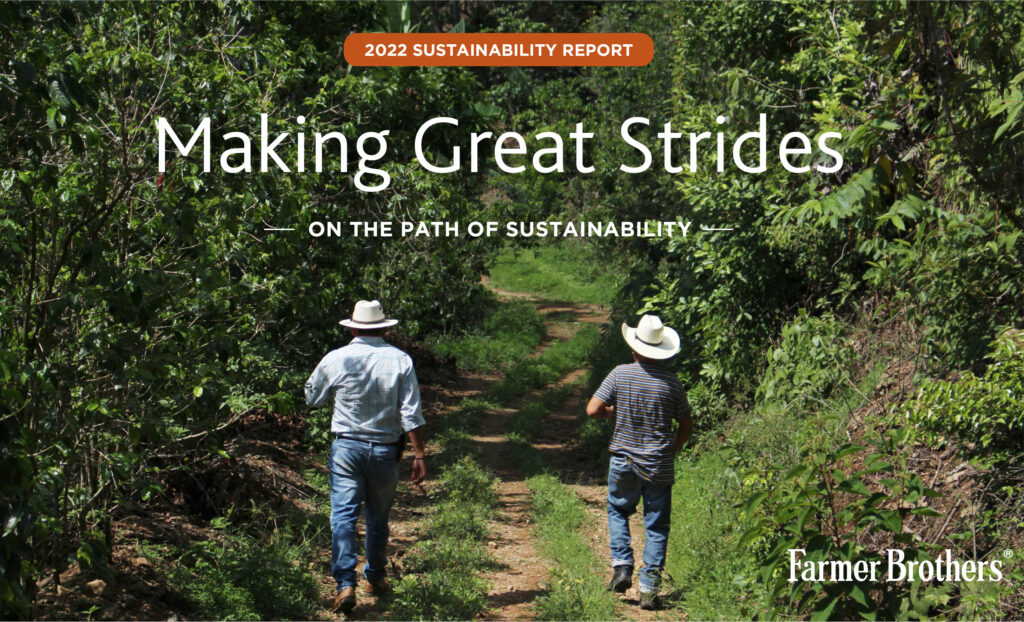
Farmers Brothers
Inaugural report balancing storytelling with comprehensive data
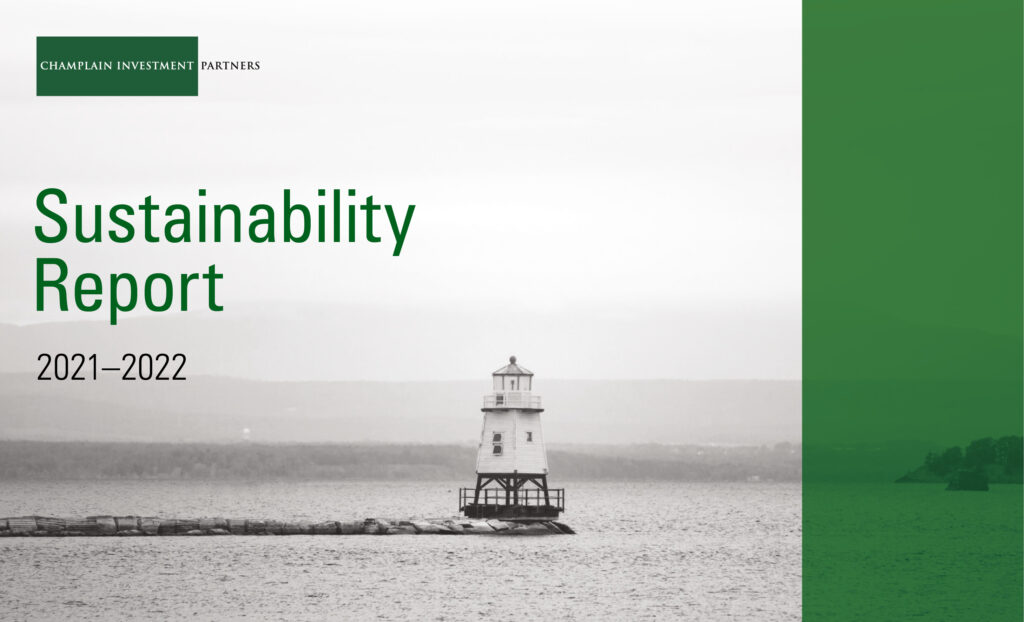
Champlain Investment Partners
Financial services firm’s first sustainability report demonstrating integration
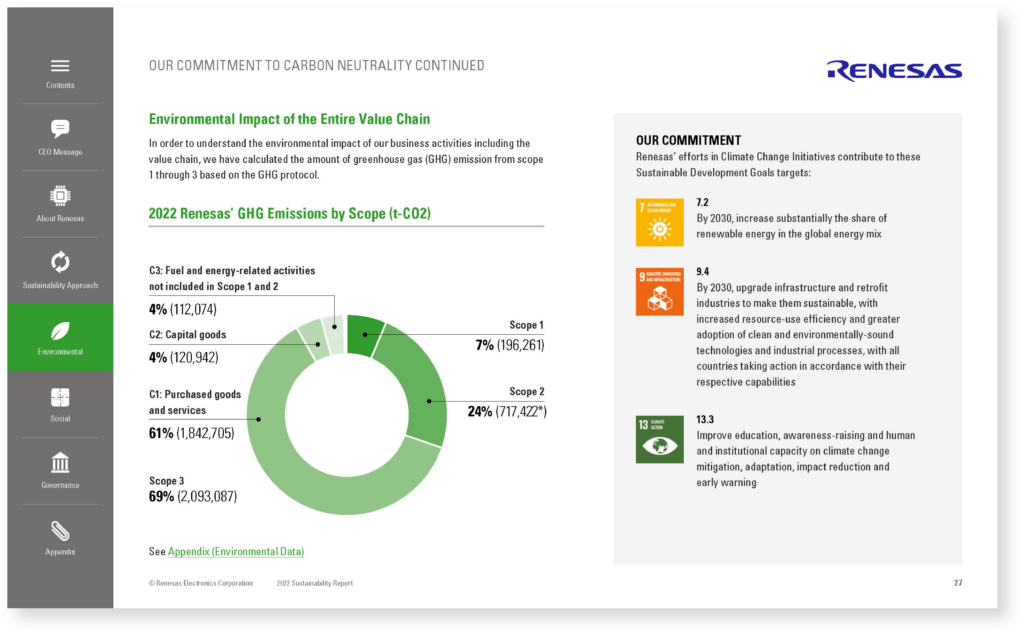
Renesas Electronics Corporation
Technology company’s comprehensive approach to global sustainability reporting
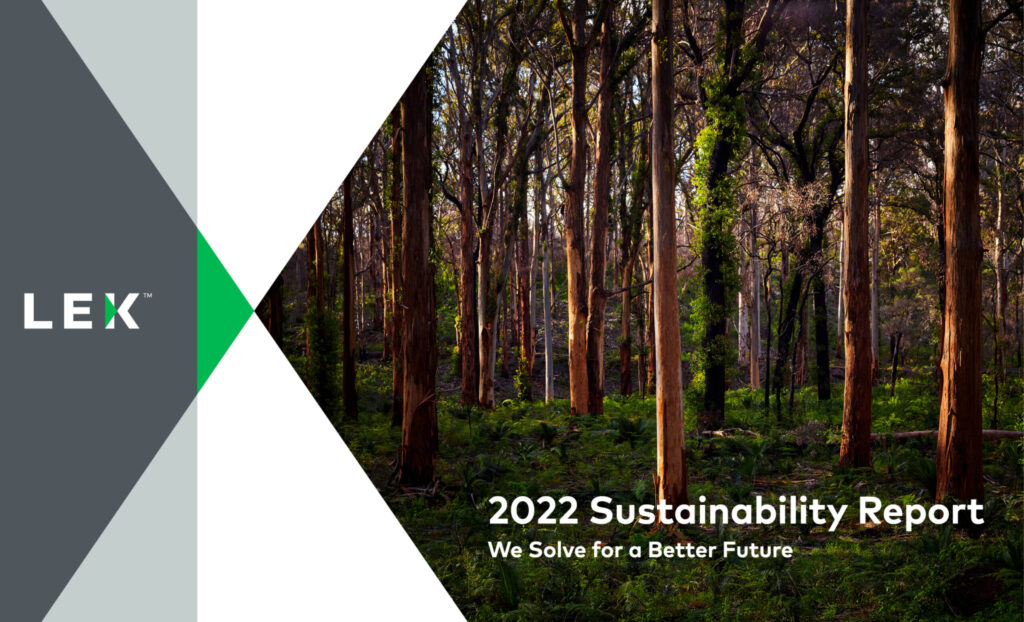
L.E.K. Consulting
Professional services firm’s inaugural report with strong visual storytelling
How OBATA Can Help
For more than 75 years, OBATA has partnered with organizations to create communications that build trust, drive engagement, and deliver business results. We’ve designed and produced more than 100 sustainability reports for companies at every stage of maturity, from first-time reporters to organizations with sophisticated multi-year programs.
Here’s how we typically work with clients, depending on where you are in your journey:
Design & Production Excellence
You have clear strategy and solid data. You need expert design, writing, and production.
We deliver award-winning sustainability reports that elevate your story through sophisticated design, compelling writing, and seamless production.
- Report design and layout
- Copywriting and editorial development
- Data visualization and infographics
- Photography and video production
- Print and digital publishing
Strategy Through Execution
You’re navigating narrative development, stakeholder communications, and multi-platform integration.
We partner from strategy through delivery, helping you shape your story and create cohesive experiences across print and digital.
- Narrative strategy and messaging
- Stakeholder-specific communications
- Brand integration across print and digital
- Report microsites and digital platforms
- Multi-channel promotion campaigns
Full Strategic Partnership
You’re facing organizational complexity, alignment challenges, or framework selection.
We orchestrate the complete solution, from materiality assessment through ongoing communications, while you retain governance.
- Materiality assessments and stakeholder engagement
- Framework selection and disclosure strategy
- Sustainability consulting and advisory
- Complete report development and design
- Digital platforms and ongoing communications
Explore Consulting & Advisory Services →
Contact Us to Discuss Your Sustainability Reporting Needs →